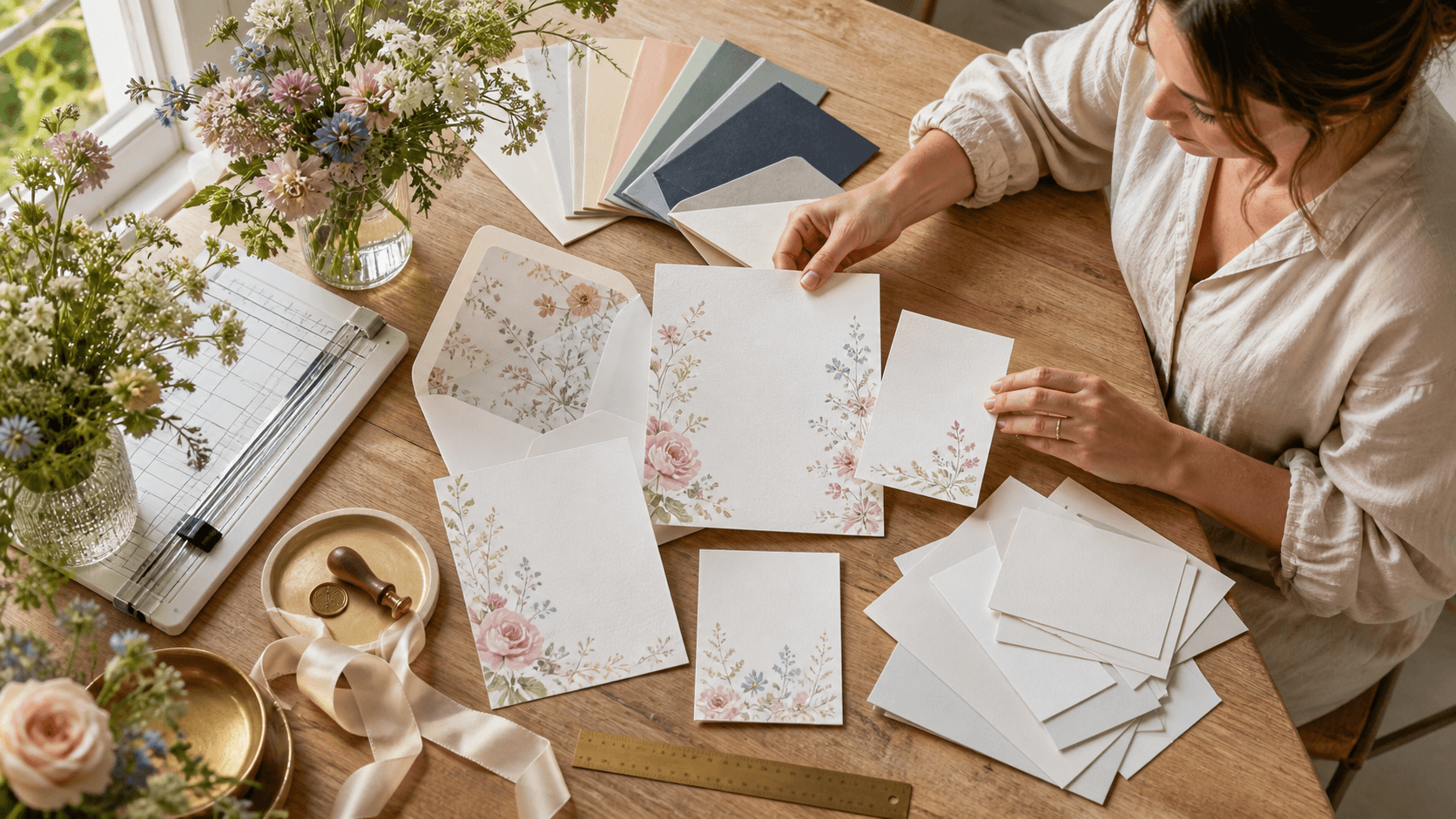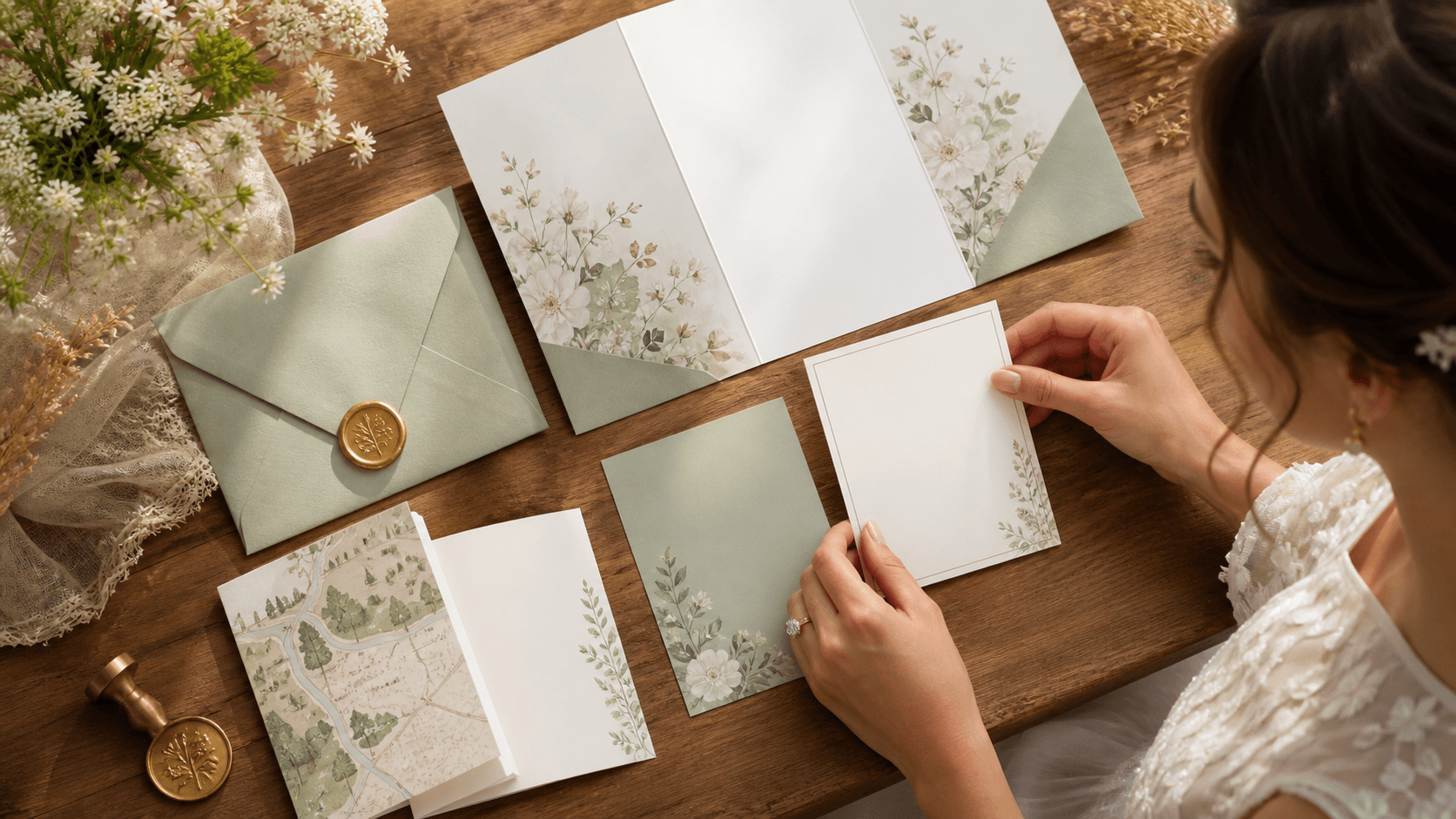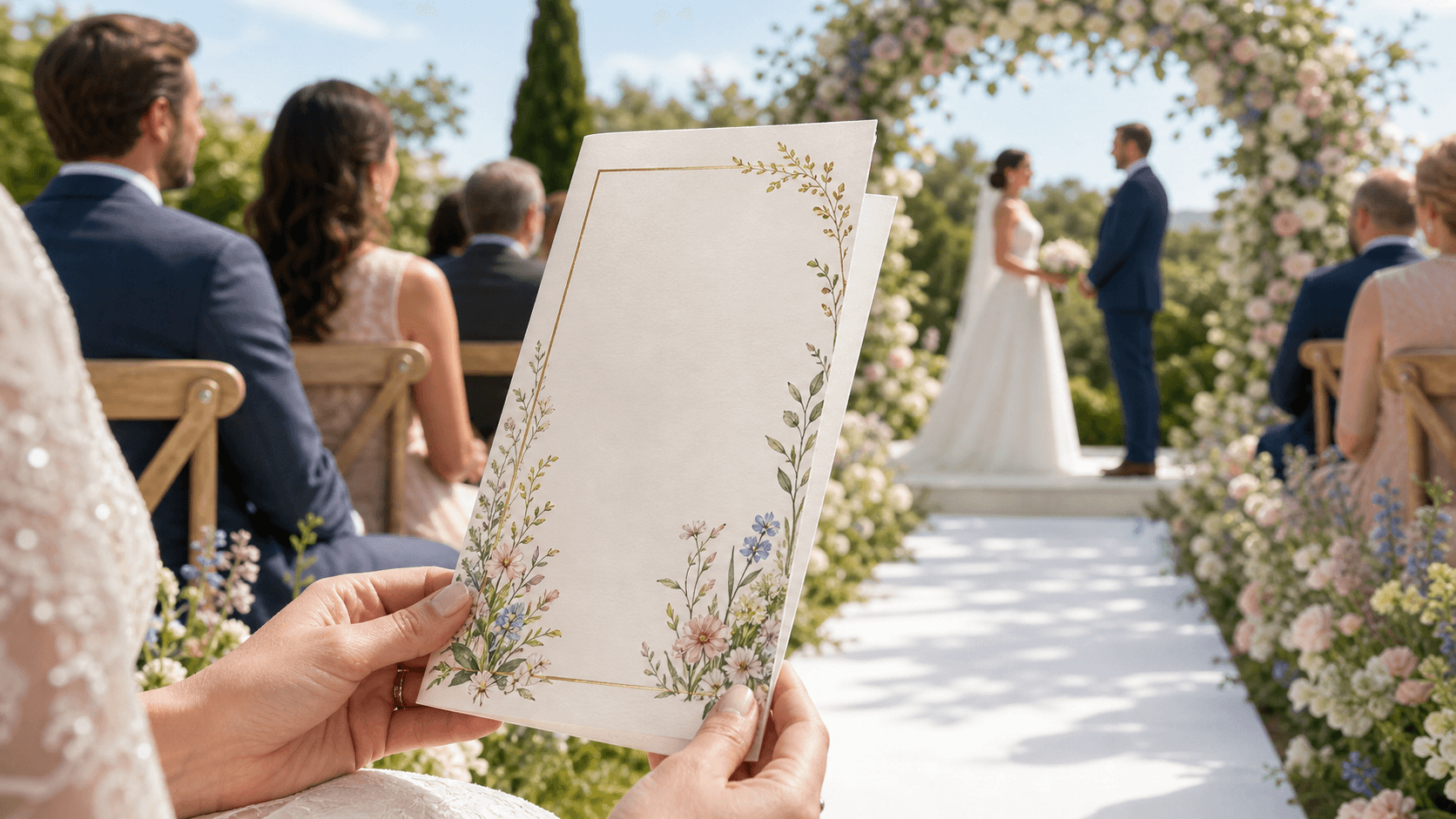
Spring brings a natural sense of lightness and ease, especially across the UK, where gardens and green spaces begin to thaw and bloom. Days get a little longer, the air feels softer, and people are more open to spending time outdoors. It’s also when many couples feel ready to host their ceremony with the comfort of mild weather and fresh surroundings. During this season, small touches go a long way.
Wedding program cards might seem like a simple addition, but they play an important part in setting the pace and helping guests feel included. They guide without interrupting, explain without overwhelming, and help turn a collection of moments into something that flows with quiet rhythm.
Setting the Scene for a Calm Start
Before the music plays or the vows begin, there’s a slight hum of waiting. Guests arrive, take their seats, and often wonder what comes next. Ceremony programmes take away some of that guesswork by quietly explaining the plan for the day.
They do more than list names and times. A well-written programme can answer the unspoken questions guests carry, will there be readings, when do we stand, who’s speaking? That level of calm guidance works especially well when people might be unsure, like older relatives who don’t hear well or people attending their first wedding.
- A short note of welcome helps guests settle in with ease
- The layout works best in clear steps so no one has to ask what comes next
- Descriptions can be simple but still helpful, giving just enough context
All of this lets people pay attention to the ceremony without worrying they’ve missed something important.
Highlighting the Flow of the Ceremony
Weddings are personal. Even when they follow a traditional shape, no two are exactly the same. That’s where the programme steps in. It gives just enough structure to let guests follow along without feeling formal or stiff.
Listing out each step of the ceremony, like processions, vows, readings, or song choices, helps share the rhythm of the event. It reassures guests that they know when things begin or end, and that they understand the meaning behind each section.
- A quick note below each item can help, like who’s speaking or why a song was picked
- Sharing brief context gives space for something personal, why a poem meant something, or who the reading is by
- Adding this information can let guests feel more connected to what’s unfolding
We find that ceremonies with structure feel smoother. People can exhale and be present when their role is clear and the day flows without confusion.
Helping Guests Feel Part of the Celebration
It’s common at weddings for people not to know both sides of the couple. Parents, friends from university, children, neighbours, many guests meet for the first time at the ceremony itself. A ceremony programme can bridge that gap.
By listing the names of key people, those walking down the aisle, the readers, or even close family, it invites the guest into the day with more understanding. A thoughtful sentence about how two families are meeting can make all the difference.
- Sharing names and roles stops anyone feeling like an outsider
- A short explanation about a poem or reading adds meaning and clarity
- These touches help make a large wedding feel close and personal
It’s often these quiet details that guests mention afterwards. The feeling that the couple took time to think of everyone, not just the main stage moments.
Thinking About the Practical Side
British springtime is gentle but doesn’t always behave. A sudden breeze or light drizzle is never too far away. So the practical side of wedding programme cards matters just as much as their content.
Outdoor ceremonies, in particular, benefit from something guests can hold easily while seated or moving. If a programme flaps around too much or gets damp, its helpfulness fades. That’s why it’s worth thinking about how they’ll be handed out or displayed.
- Having them already placed on each chair is one less step for ushers or family members
- Keeping the size convenient helps people tuck them away and carry on easily
- Avoid placing them in areas where people won’t pass through, such as behind the seating rows or beyond the ceremony zone
The best placements are near entrances or on chairs, letting guests find them naturally as they settle in.
Finishing Touches That Bring It All Together
When one detail matches the look and feel of the day, it can help the entire thing feel more tied together. That’s what good programmes do. They pull from the tone of the ceremony, simple, relaxed, romantic, or classic, and reflect it back in a subtle way.
Programmes can match spring’s softer style through clear colours, gentle fonts, and a light touch with the wording. It’s not about being fancy. It’s about making sure every part of the day feels connected, from the chairs to the backdrop to what guests hold in their hands.
- Think about tone, not just looks, why a font feels calm, or wording feels warm
- Keeping the layout clean means guests will actually read it
- When everything fits into the same mood, people feel more at ease
We’ve seen how a well-made programme becomes part of the pace of the ceremony. It doesn’t stand out, it simply works, the way the best background pieces always do.
Small Details, Lasting Comfort
There’s something steady about wedding program cards. They don’t take centre stage, but they hold the shape of the day in a way few other details do. Especially for spring ceremonies, they work gently in the background to support timing, ease, and emotion.
When guests know who’s involved and what to expect, they feel more comfortable. When they understand the meaning behind a reading or song, it stays with them longer. And when everything from timing to message speaks with the same voice, the day feels whole. That kind of quiet thoughtfulness makes a difference. And it’s those small moments of comfort that stay with people.
At The Invite Shack, we understand that every detail matters when planning a meaningful ceremony, and sometimes the smallest touches can have the greatest impact. From thoughtfully chosen names to carefully timed events, the right elements help everyone feel truly included. When you want to shape your guest experience, our selection of wedding program cards offers an inspiring place to begin. We’re here to help you create something that reflects your style, feels personal, and perfectly matches your spring celebration. Reach out to us and let’s bring your vision to life.