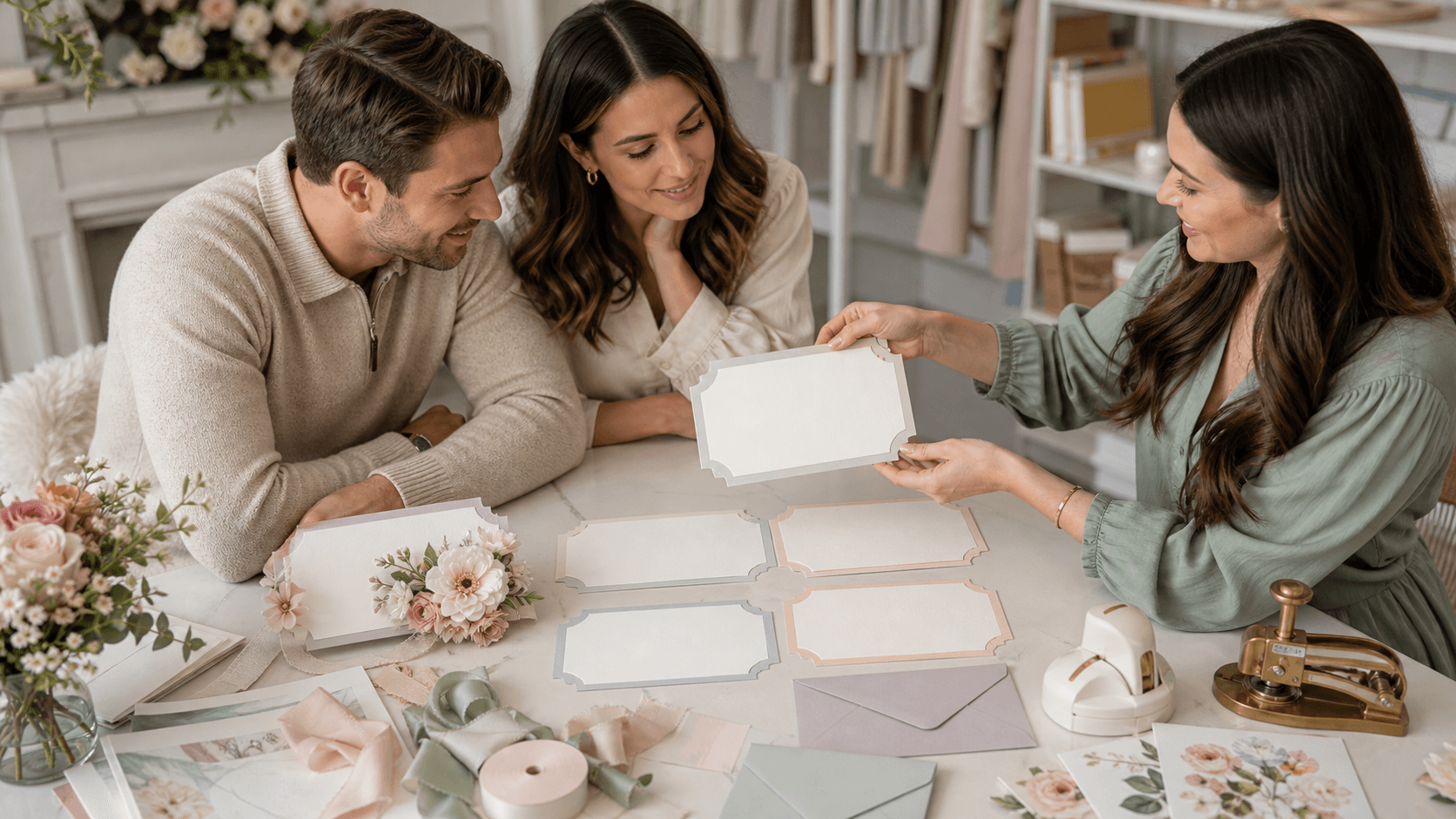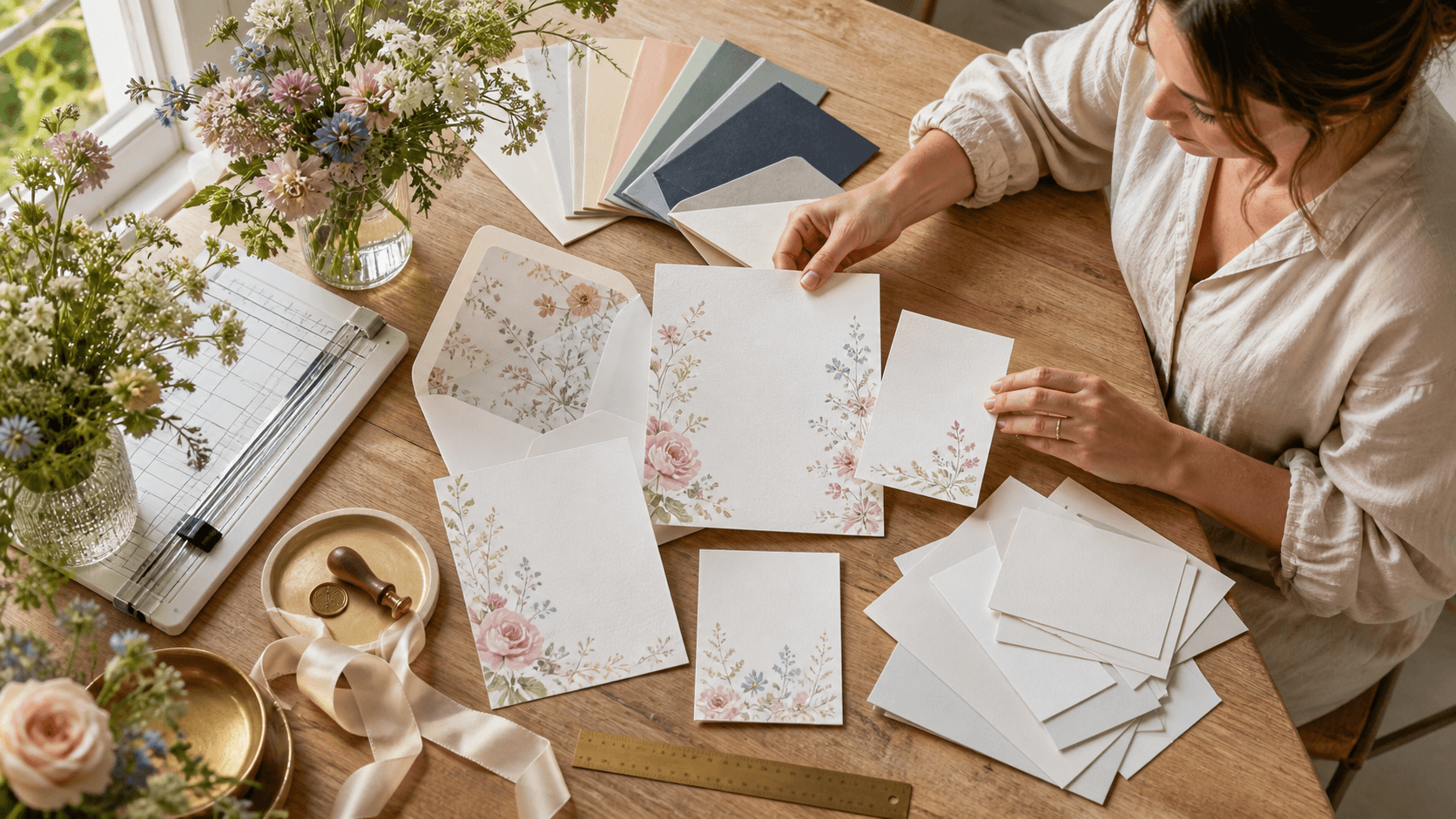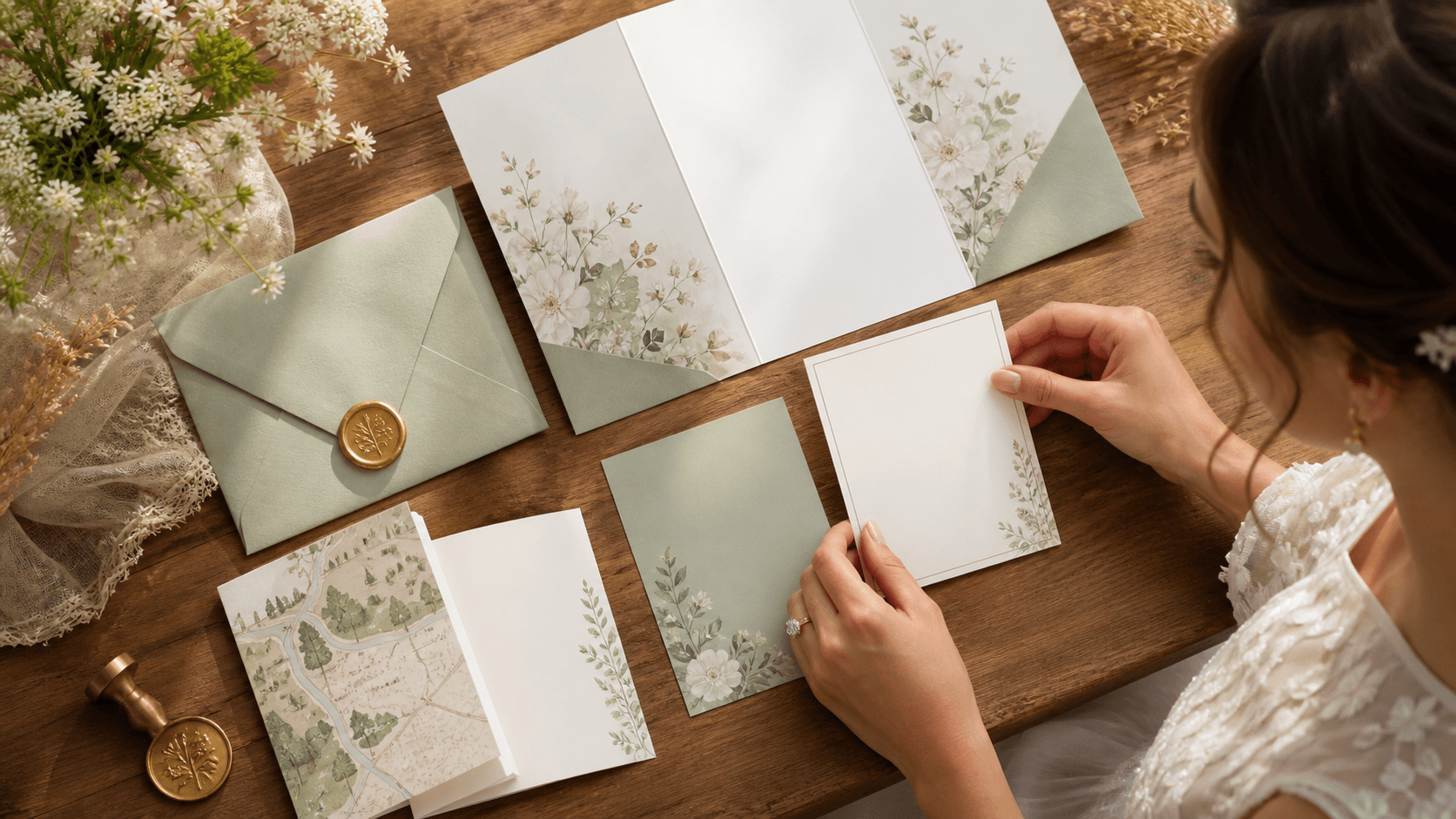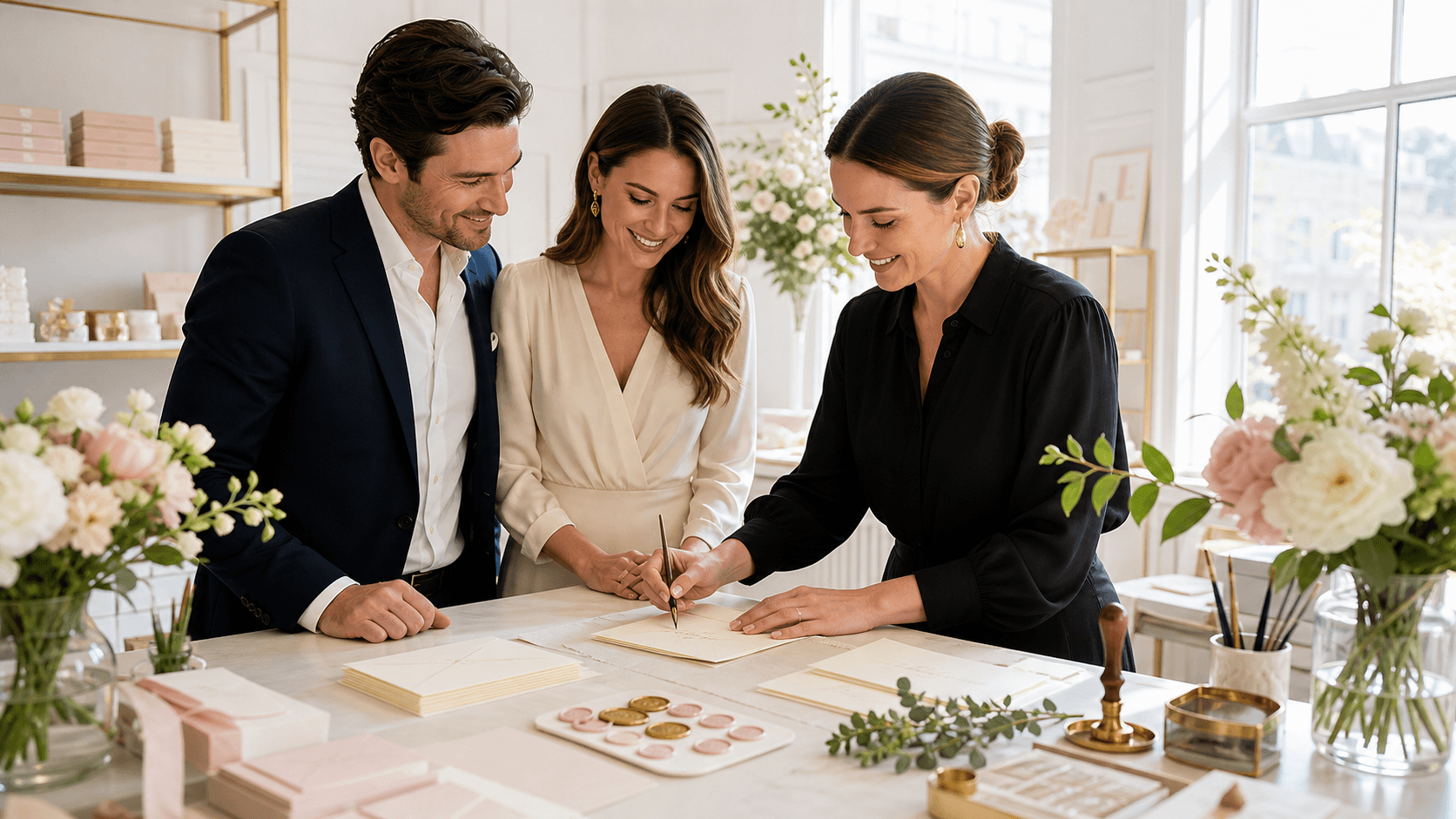
May has a special kind of stillness. Gardens bloom. Warmth creeps into the evenings. And for many couples across the UK, it’s time to send out wedding invitations. The way those envelopes look and feel speaks before guests even open them. A neat, thoughtful look says more than just names and addresses. It makes people feel included and excited.
That’s where wedding invitation addressing becomes just as important as the invitation inside. The way we handle names, titles, and presentation starts things on the right note. When done with care, it adds a personal touch that matches the energy of a late spring celebration. With May weddings feeling light and joyful, the smallest details can help things feel even more special.
Classic Rules That Still Work
Good etiquette does not need to be strict or stuffy. Some of the more traditional addressing practices are still useful, especially when you are aiming for a style that feels respectful yet easy.
- Married couples can be addressed using both full names or shared surnames, depending on the tone of your day. For formal events, using “Mr and Mrs James Gallagher” still works well. If the tone is more relaxed, “James and Ella Gallagher” feels just right.
- For couples who are not married or do not share a surname, list both names separately on separate lines in alphabetical order unless you have a personal preference.
- When children are attending the wedding, it's nice to include them by name if you want a warmer tone. For more formal gatherings, using “The Walker Family” is a tidy way of including everyone.
When you are writing out names, making sure the presentation matches the feel of the wedding helps a lot. Too formal and it can feel detached. Too informal and it might lose the sense of occasion. For a May setting, we lean toward friendly but polished.
Seasonal Style Ideas for May
There is something comforting about designing around the season. May brings with it softer light, flowers just past bloom, and that slow drift into early summer. Letting this season show up in small ways around the address lines can make your invitations feel even more connected to the day.
- Using fonts with gentle curves or hand-lettered touches works well for this time of year. Stay clear of bold, sharp-edged typefaces unless that fits your overall wedding look.
- We have seen couples introduce understated illustrations near the envelope corners or around return addresses. Light sketches of spring leaves, wildflowers, or vines can bring quiet beauty without pulling focus.
- Ink colour plays a part too. Navy and black are classics, but consider slate, sage, or muted lavender if you would like something that feels a bit more seasonal.
Nothing too loud. Nothing too dull. May suits light details and soft designs that feel in step with longer days and clearer skies.
Casual or Formal? Setting the Right Tone
Before anything is printed, it helps to know how formal you want your invitations to feel. This comes through strongly in the way names and titles are written. Are you having a black tie dinner? A garden lunch with shared platters? The address presentation should nod to the setting.
- Formal addressing usually includes full titles and surnames: “Dr Alexandra Rhodes and Mr Daniel Clarke.” Casual approaches might be simply “Alexandra and Daniel.”
- Including initials for middle names can push the tone a touch more formal. Leaving them out can keep things friendlier and clean.
- Be consistent across all stationery from save-the-dates to RSVP envelopes. It helps tie the experience together and avoids confusion, especially when guests are responding.
What matters most is that guests feel they have been thought of. Whether you lean more formal or casual, the way your addresses are written should feel deliberate. Not just copied and pasted, but chosen because you want the envelope to say, “We are glad you are coming.”
Addressing Groups and Families Smoothly
Guest lists are not always straightforward. Some people bring children. Others bring a guest. Some live together and others do not. When it comes time for addressing envelopes, it is worth thinking through a few different setups so nothing feels out of place.
- For families with children attending, list everyone if you like that personal look: “Grace, William, and Elsie Bennett” works well.
- If names do not fit neatly or you are inviting a whole household, something like “The Patel Family” is tidy and welcoming.
- When inviting someone with a plus one who you may not have met, you can simply write “Miss Lucy Wright and Guest,” though some couples prefer to learn names beforehand for a more personal finish.
Making it easy for guests to know who is invited can save you back-and-forth messages later and gently avoids any missteps or confusion.
Avoiding Common Slip-ups
Even small mistakes can undermine the care you have put into the process. Wedding invitation addressing needs a quick second look before anything is final.
- Always double-check spellings, especially tricky surnames or titles. One small typo can stand out more than you would like.
- Look out for outdated names or assumptions about titles. If in doubt, it is better to use full names without guessing at “Ms” or “Mrs.”
- Be sure the envelopes suit the season. In May, you are less likely to deal with weather troubles, but it is still smart to avoid smudging inks or flimsy pens if you are hand-writing.
When writing by hand, take breaks so everything stays neat. And if you are printing, do not forget to test a sheet or two before running the whole batch. It is always easier to change one than 100.
A Thoughtful Start Begins With the Envelope
The way a wedding invite arrives matters more than most people expect. We open the post in between errands or at work, and that little white or cream square feels a bit different. The names written on it are one of the first things your guests will really see. That small moment can say a lot.
For May weddings, there is room to blend warmth with a bit of polish. Names that feel like they belong. Details that have been checked twice. And a soft style that hints at flowers, live music, and warm afternoon air. If the addressing feels carefully done, guests can feel included even before they step through the door.
At The Invite Shack, we are here to make your addresses feel as meaningful as your invitations. Whether you prefer soft May colours or a tone that is polite or playful, our team is ready to help you tailor every detail so each envelope stands out. See how we approach layout choices and design in our wedding invitation addressing to see how we keep things clear and personal. Ready to get started? Let us know and we will help you create something just right.